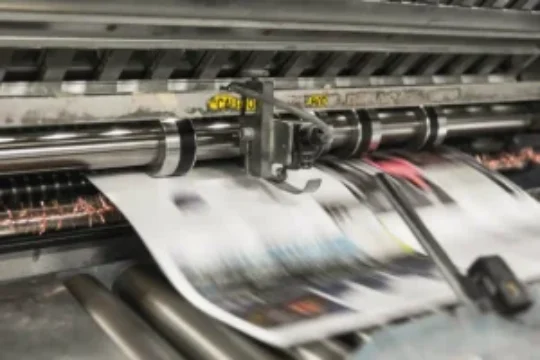
When planning any printing job, one of the most common questions is which printing type to choose. The two most widely used methods are digital printing and offset printing. Many people hear these terms but do not clearly understand the difference.
This guide explains digital vs offset printing in simple language, so anyone can understand how they work and which one is better for their needs.
What Is Digital Printing?
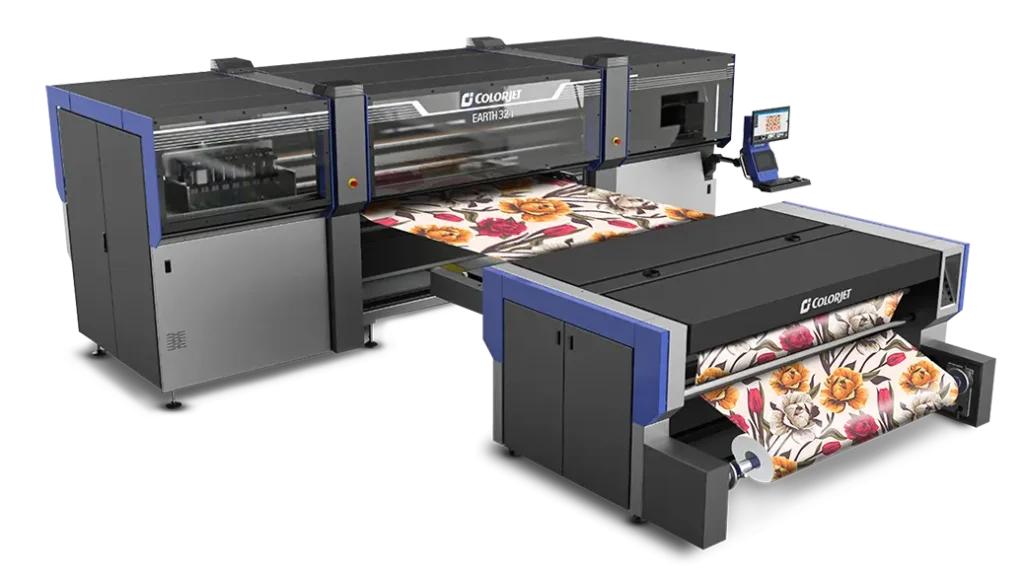
Digital printing is a modern printing method where the design is printed directly from a computer file to the printer. There are no printing plates involved. This process is similar to a large, high-quality office printer but designed for professional use.
Because digital printing does not need setup plates, it is fast and efficient. It is ideal for short print runs and urgent jobs. Changes to the design can be made easily without extra cost.
Digital printing is commonly used for: Flyers, Business cards, Posters, Small brochures, Personalized prints
What Is Offset Printing?
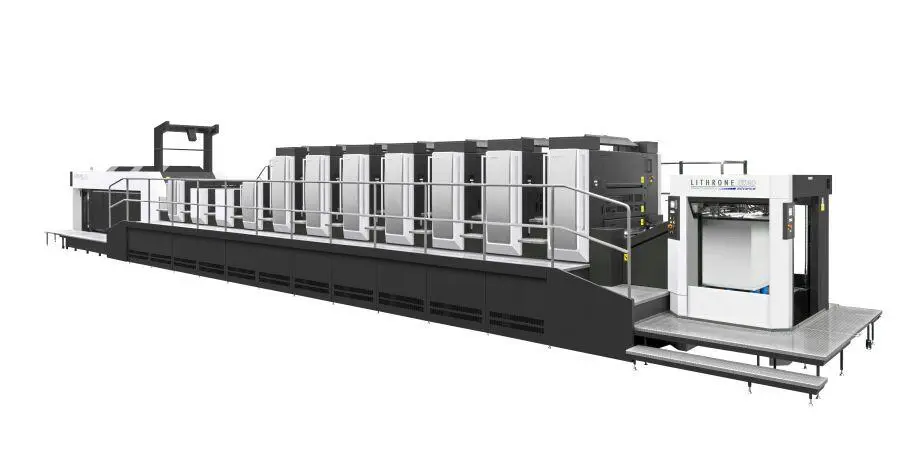
Offset printing is a traditional and widely used printing method. In this process, the design is first transferred onto metal plates, then onto a rubber blanket, and finally onto the paper. This setup takes more time but produces very high-quality results.
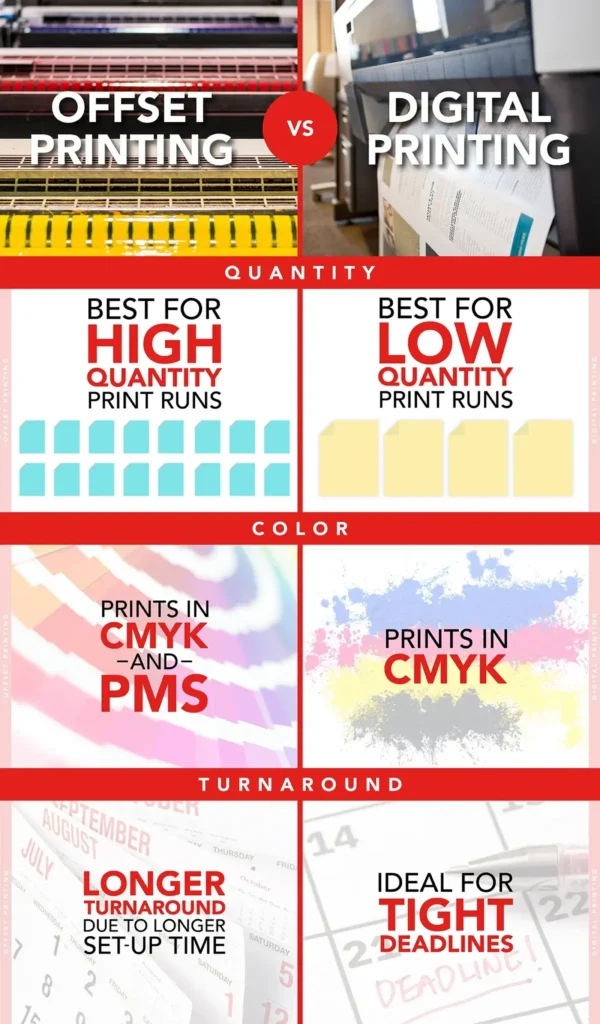
Offset printing is best for large quantities because the cost per piece becomes lower as the quantity increases. It offers excellent color accuracy and consistency.
Offset printing is commonly used for: Books, Magazines, Newspapers, Large brochures, Packaging
Key Differences Between Digital and Offset Printing
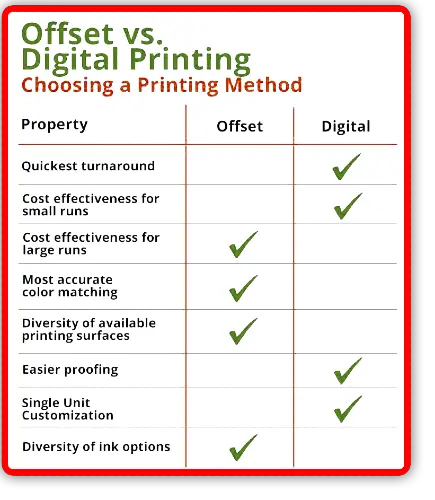
The main difference between digital and offset printing is how the image is transferred to paper. Digital printing prints directly from a file, while offset printing uses plates.
Digital printing is faster for small quantities and allows easy customization, such as printing different names or designs on each copy. Offset printing takes longer to set up but is more cost-effective for large volumes and delivers very consistent color quality.
Print Quality Comparison
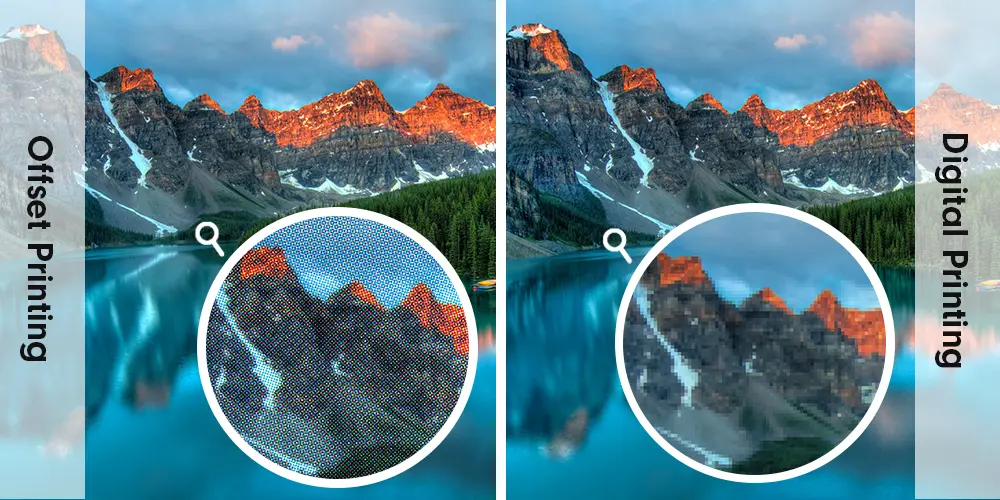
Offset printing generally provides sharper details and more accurate colors, especially for large solid color areas. It is ideal for professional and high-end printing.
Digital printing quality has improved greatly and is now very good for most everyday printing needs. For small jobs and quick prints, the quality difference is often not noticeable.
Cost Difference Explained Simply
Digital printing has a lower starting cost because there are no plates or complex setup steps. This makes it affordable for small print runs.
Offset printing has a higher initial setup cost, but the price per unit becomes much cheaper when printing in large quantities. This is why offset printing is preferred for bulk printing.
Which Printing Type Should You Choose?
Choosing between digital and offset printing depends on: Quantity needed, Budget, Time available, Print quality expectations
If you need a small quantity quickly, digital printing is usually the best choice. If you need large quantities with consistent, high-quality results, offset printing is the better option.
Simple Example to Understand Better
If you want 100 flyers for an event tomorrow, digital printing is faster and more affordable. If you want 50,000 brochures for marketing over several months, offset printing will give better value and consistency.
Final Explanation
Both digital printing and offset printing are important and useful. Neither is better in all situations. The right choice depends on your project size, timeline, and quality needs. Understanding the difference helps you make better printing decisions and avoid unnecessary costs.